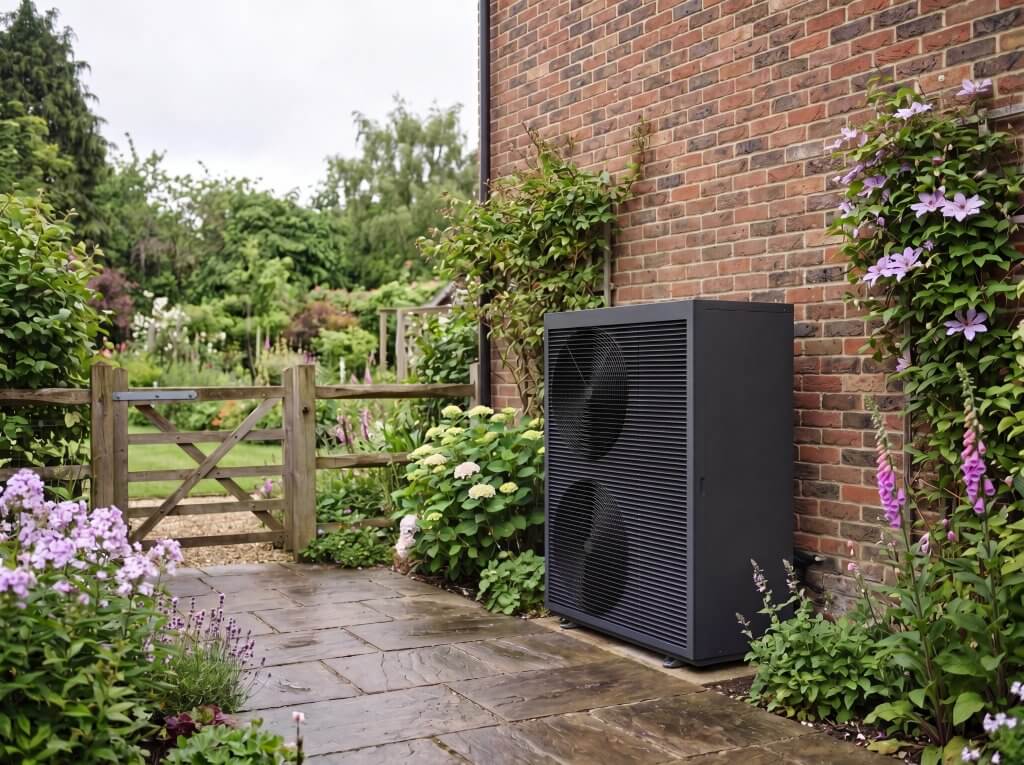
How Long Does an Air Source Heat Pump Last?
A modern air source heat pump (ASHP) typically lasts 15 to 20 years. However, high-quality systems can exceed this with professional installation and regular maintenance. In this guide, we’ll explain what affects an ASHP’s lifespan and how it compares with other heating systems. Alongside its functionality, we’ll also discuss why a manufacturer’s warranty can be a useful indicator of long-term reliability and provide added peace of mind. Additionally, we’ll cover the signs that repairs or replacement of an ASHP may be necessary to help keep your home comfortable.
How long does an air source heat pump last in the UK?
In the UK, air source heat pumps are designed to provide efficient heating throughout the year. A modern ASHP can even perform reliably in the winter, as it can operate for longer periods at lower flow temperatures.
Professional installation is another important factor as it helps ensure your air source heat pump is correctly matched to your home’s heating demands. The way they operate reduces unnecessary strain on key components. Combined with regular servicing and maintenance, a high-quality system can often continue performing reliably for more than 20 years.
Air source heat pump vs boiler lifespan
The table below outlines the average lifespan of common home heating solutions.
| Heating System | Average Lifespan | What Affects Lifespan |
| Air Source Heat Pump | 15 to 20 years | Installation quality, servicing, insulation |
| Gas Boiler | 10 to 15 years | Water quality, servicing, usage |
| Combi Boiler | 10 to 15 years | Maintenance, installation quality |
| Oil Boiler | 15 to 20 years | Servicing, fuel quality, corrosion |
What factors affect a heat pump’s lifespan?
Installation quality
Professional installation affects the average lifespan of a heat pump. Correct sizing, commissioning and matching to your home’s demand reduces strain. Poor installation can force the system to work harder, lowering efficiency and shortening lifespan.
Manufacturer quality
Not all heat pumps are built to the same standard. Choosing a reputable manufacturer often means better quality components, extensive product testing and longer warranty periods, which can indicate confidence in long-term reliability. Intergas’ Xceed Monobloc includes a five-year warranty when supplied as a complete package, helping provide added peace of mind.
Insulation levels
A well-insulated home allows your ASHP to maintain comfortable temperatures with less effort. If heat escapes quickly through walls, roofs or windows, the system must run for longer to replace it. Reducing unnecessary workload can help improve efficiency and support a longer operating life.
Flow temperature settings
Air source heat pumps perform best at lower flow temperatures. This operation enables steady, efficient warmth over longer periods. Setting the flow temperature higher than necessary can reduce efficiency and place additional demand on the compressor. By optimising these settings, your ASHP can work more effectively while reducing long-term wear to certain components.
Which heat pump part wears out first?
Compressor
The compressor is the hardest-working component and often determines the heat pump’s lifespan. It can last 15 to 20 years. Unusual noises, reduced heating performance or frequent faults may indicate compressor wear.
Fan motor
The fan motor helps draw air through the outdoor unit and often lasts 10 to 15 years. Grinding noises, poor airflow or the fan failing to spin properly may signal a problem.
Circulation pump
The circulation pump moves heated water around your home and typically lasts 10 to 15 years. Cold radiators, reduced heating performance or unusual noises can indicate the pump needs attention.
How to increase your air source heat pump lifespan
Keep the outdoor unit clear
A practical step to maintaining your ASHP’s performance and increasing its longevity is to occasionally clear out any debris near the outdoor unit. The build-up of dirt and debris can damage components over time.
Annual service
Scheduling an annual service helps identify minor issues before they become costly repairs. It’s important to keep a record of each service as it can support warranty claims and demonstrate a system is properly maintained.
Optimise heating controls
Use your heating controls correctly to help your heat pump work more efficiently throughout the year. Weather changes naturally affect demand, but maintaining consistent temperatures can reduce unnecessary strain and support a longer lifespan.
Signs your air source heat pump needs replacement
Unusual noises
It’s important to pay attention to any changes in the way your air source heat pump sounds. A slight humming noise, similar to an air conditioning unit or fan, is completely normal. However, if an ASHP is creating a loud noise or starts making persistent banging, grinding or rattling noises, it should be inspected, as this could indicate a component is wearing out.
Frequent repairs
Occasional repairs are expected over a heat pump’s lifespan. However, if faults become more frequent or repair costs continue to rise, replacing the system may prove the more cost-effective long-term solution.
Refrigerant issues
Low refrigerant levels or leaks can reduce your heat pump’s efficiency and heating performance. If refrigerant problems become recurring, particularly in older systems, it may be worth considering a replacement rather than repeated repairs.
What happens when a heat pump is at the end of its lifespan?
When your air source heat pump reaches the end of its lifespan, you’ll generally have a few options depending on its age, condition and the cost of repairs:
- Repair the system if the fault is minor and the heat pump is still performing efficiently.
- Replace worn components where it is cost-effective to extend the system’s life.
- Upgrade to a new heat pump if repairs are becoming frequent or the unit is approaching 15 to 20 years old.
- Arrange professional disposal to ensure refrigerants are recovered safely and the old system is recycled in line with environmental regulations.
If your air source heat pump is becoming unreliable, replacing it sooner rather than later can help you avoid rising repair costs and declining efficiency.
Should you replace your air source heat pump?
When deciding whether to replace your air source heat pump, consider its age, heating performance, efficiency and how often it requires repairs. If your system is approaching 15 years old and is becoming less reliable, replacing it could be the more cost-effective long-term solution. A newer model can improve efficiency while helping to reduce ongoing costs.
Explore our range of air source heat pumps to find a solution that suits your home. The Xtend Monobloc combines low-carbon heating with reliable performance, beneficial for homeowners looking to upgrade their heating system.
FAQs: Air source heat pump lifespan
Why is my bill so high with a heat pump?
High energy bills can result from poor insulation, incorrect flow temperature settings, cold weather or inefficient heating controls. Regular servicing and optimising your settings can help improve efficiency and reduce costs. Read our blog post on heat pump efficiency to discover a few helpful tips to improve your system.
How do I know when to replace my heat pump?
If your air source heat pump has become less efficient, requires frequent repairs or starts making unusual noises, it could be nearing the end of its lifespan. Replacing your system can be a cost-effective and long-term solution for reliable home comfort.
Is it worth replacing a 15-year-old heat pump?
Yes, if it has become less efficient, requires frequent repairs or is no longer meeting your home’s heating needs.